A Telecom Merger of Broken Promises, Vanished Competition & Regulatory Neglect
The 2023 merger of TRUE/DTAC was approved with conditions. But those conditions remains unkept due to regulatory neglect. (Ai Generated)
Nearly three years after Thailand’s biggest telecom merger, the promises tied to it remain unkept. Consumer protections have not been enforced, competition has been stifled, and regulators have taken no meaningful action. Prices remain high, MVNOs have collapsed, and the market is now dominated by just two players.
A Market-Shaping Merger
Two years, six months, and twenty-two days ago, the telecommunications landscape in Thailand was irrevocably changed. On March 1, 2023, the corporate merger between TRUE Corporation and DTAC was officially completed, creating a new market giant.
This union was not without controversy. A few months prior, the National Broadcasting and Telecommunications Commission (NBTC) acknowledged the merger with a set of stringent conditions designed to protect consumers and foster competition.
Today, 932 days after the merger and 1,064 days after the conditions were imposed, it’s clear that these promises have fallen by the wayside. The most shocking part? There have been no consequences for the merged entity, and the regulator has neglected its duty.
Consumer Protections Ignored
The NBTC’s conditions were supposed to be a testament to public concern, crafted to prevent a duopoly and protect ordinary citizens.
The Determination of the Price Ceiling was a cornerstone of this plan, mandating a 12 percent reduction in the average service rate within 90 days of the merger.
Furthermore, it required the merged company to offer consumers unbundled service options and submit transparent cost data to an independent inspection agency.
Yet, the market shows little evidence of a price drop or the unbundled, a-la-carte service options that were promised. Instead, consumers are pushed toward expensive, bundled packages.
The NBTC’s failure to enforce its own conditions has effectively left the public with fewer choices and a higher cost of living.
Competition Crushed
The most egregious failure lies in the conditions designed to foster competition, prevent a duopolistic market and lower barriers for Mobile Virtual Network Operators (MVNOs).
The NBTC’s rules required TRUE / DTAC to establish a separate business unit and a dedicated network service system for MVNOs immediately after the merger.
Yet, over two years later, zero MVNOs have been given access. Industry observers decry a “complete sham,” pointing to crushed competition, higher prices, and a stifled market where new entrants face insurmountable hurdles.
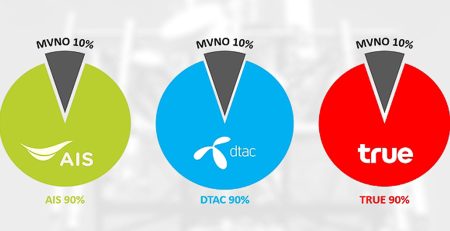
In fact, the opposite has occurred: MVNOs and Mobile Virtual Network Aggregators (MVNAs) have been forced to initiate dispute proceedings and file formal complaints against TRUE and AIS for denying access to their networks, despite legal obligations under merger conditions and decade long regulations requiring at least 10% capacity allocation for MVNOs.
More than 65 big and small companies have invested in and paid for a MVNO license in Thailand after a meticulous process of adhering to NBTC’s licensing conditions, while in return, NBTC has not fulfilled its end of the deal.
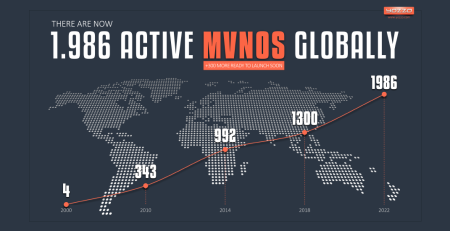
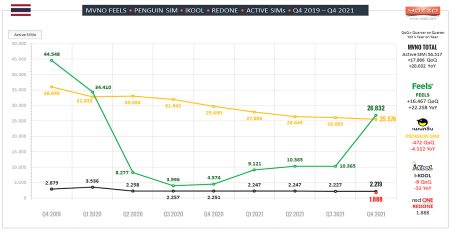
This resistance has contributed to the total collapse of Thailand’s MVNO sector, with all remaining MVNOs ceasing operations by August 2025 due to regulatory neglect and lack of enforceable access, leaving consumers with no choices than a duopoly unchecked.
Now one month later, there has still been zero information from the NBTC about the end of operation from the MVNOs, instead it has used its website to showcase TRUE and AIS paying their spectrum fees.
NBTC’s role in this fiasco cannot be overstated. As the regulator tasked with enforcement, it has the power to impose fines (up to a percentage of income), escalating penalties, or even license revocation for non-compliance. Instead, it has opted for denial and deflection.
It echoes a decade-long pattern of neglecting MVNO enforcement, allowing the merged entity to consolidate power without repercussions. This not only shows a failure to fulfill the conditions but an active resistance to them, all without any intervention or penalty from the NBTC.
A Telecom Duopoly Emerges
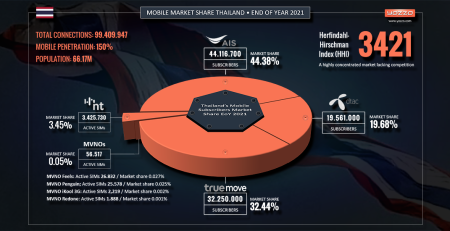
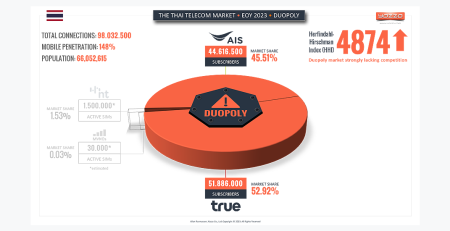
The Thai telecommunications industry has since then been consolidated into a powerful two-player gatekeeper, between AIS on one side and TRUE / DTAC on the other, eroding the very competitive balance the NBTC was supposed to protect.
Timeline: Thailand’s Telecom Merger Conditions vs. Reality
A Regulator Missing in Action
The NBTC’s role in this saga is the most concerning. The commission’s initial vote to approve the merger was not unanimous, a clear sign of the deep-seated controversy surrounding it.
Despite the gravity of the situation, and the explicit mention of penalties like fines and even license revocation for non-compliance, the regulator has remained silent.
The absence of public reports on cost data verification, the lack of enforcement actions against a seemingly non-compliant company, and the general lack of transparency paint a grim picture.
The NBTC was given the authority to regulate and protect, yet it has neglected that duty. This inaction sets a dangerous precedent, suggesting that future corporate mergers can be approved with conditions that are ultimately unenforceable, or worse, can be simply ignored without consequence.
The TRUE/DTAC merger was a major event in Thai corporate history, but its legacy so far is one of broken promises and regulatory failure.
While the two companies have benefited from the synergy and market consolidation, consumers and businesses have lost out. It’s time for accountability, from both the merged entity and the body charged with protecting the public interest.
A State-Owned Player with a Private Stake
NT’s dual role as both a competitor (albeit a minor one) and a shareholder in the new duopoly is a textbook case of regulatory capture.
As a state entity, NT was the only host for Thailand’s MVNO sector.
However, with its core spectrum licenses recently expiring and its refusal to participate in the latest spectrum auctions, NT effectively paved the way for AIS and TRUE to acquire the airwaves that the MVNOs relied on.
This decision directly contributed to the collapse of the entire MVNO sector by August 2025.
Fact Box: TRUE Ownership
- Charoen Pokphand Group (CP): ~26.32%
- Telenor Group: ~26.32%
- Citrine Global (joint venture of CP and Telenor): ~7.96%
- Combined CP + Telenor + Citrine: 60.60%
- China Mobile International Holdings Limited: 7.81%
- National Telecom (state-owned): ~2.39%
By owning a stake in TRUE, NT stands to gain financially from the very market consolidation that it was supposed to prevent.
This created a clear incentive for NT to exit the MVNO market and avoid competitive action, thereby boosting the value of its investment in TRUE.
This arrangement not only allowed the duopoly to thrive but also raises concerns about whether the NT’s decisions were guided by public interest or by a desire to protect its own financial returns.
The regulatory silence from the NBTC on this glaring conflict of interest is particularly concerning and underscores the failure to protect the competitive landscape.
Background: Who are TRUE and DTAC?
For international readers, understanding the scale of this merger is crucial.
DTAC (Total Access Communication) was a major mobile network operator in Thailand and a subsidiary of the Norwegian telecommunications giant, Telenor Group.
TRUE Corporation was another key player in the Thai market, offering mobile, broadband, and pay TV services, with its parent company being the Thai conglomerate Charoen Pokphand (C.P. Group). The merger effectively combined Thailand’s second and third-largest telecom companies
The Charoen Pokphand (CP) Group is not just a company; it is the largest private company and conglomerate in Thailand, with a pervasive influence across the country’s economy and beyond.
Its power stems from a vast, vertically integrated business empire that touches nearly every aspect of daily life for Thai citizens.
A Business Empire Built on Vertical Integration
CP Group operates in 14 different business groups and has investments in over 20 countries. Its primary strategy is vertical integration, where it controls the entire supply chain from production to distribution, minimizing costs and maximizing control.
The group’s key sectors include:
- Agro-Industry and Food: This is CP’s original and largest business. Its subsidiary, Charoen Pokphand Foods (CPF), is one of the world’s leading producers of animal feed, livestock (pork, chicken, shrimp), and processed foods. The group controls every stage, from the feed that farmers use to the food products sold in grocery stores.
- Retail and Distribution: CP’s dominance here is most visible through its subsidiary, CP ALL, which operates the exclusive license for 7-Eleven convenience stores in Thailand. With over 15,000 stores nationwide, 7-Eleven is a ubiquitous presence in every neighborhood. The group also owns Makro wholesale stores and Lotus’s hypermarkets.
- Media and Telecommunication: This is the sector at the heart of the merger. Through its ownership of TRUE Corporation, CP controls a major provider of mobile services, broadband, and pay-TV.
The consolidation of these businesses gives CP an unparalleled ability to create synergies. For example, it can produce its own food products, package them, distribute them through its own network of 7-Eleven stores, and use its own telecommunications infrastructure for digital marketing and payments.
Economic and Political Influence
CP Group’s sheer size and market dominance give it significant leverage. It is a key player in the Thai economy and holds a powerful position in business and political circles.
The company’s expansion, including its deep ties with China, has made it a central figure in discussions about Thailand’s economic sovereignty and concentration of power.
The TRUE-DTAC merger is a clear example of this. By combining Thailand’s second and third-largest telecom players, CP Group helped create a duopoly with its main competitor, AIS.
This move was not a simple cash purchase but a strategic merger that sidestepped regulatory hurdles. The outcome has solidified CP’s influence in a critical, high-growth sector of the Thai economy, further cementing its position as a dominant force in the country.
A Controversial Leadership Shift
Beyond the failure to meet regulatory conditions and the crushing of competition, the merger has also been marked by a controversial leadership reshuffle that raises fresh questions about who truly benefited.
The deal was orchestrated by Sigve Brekke, the CEO of Telenor Group, who had been seeking to offload DTAC. Facing regulatory hurdles and financial constraints on a straightforward sale, Brekke championed the “merger of equals” as the successful alternative.
Fast forward just over two years, and Brekke has been appointed the Group Chief Executive Officer of the very company he helped create.
This move, which comes after the unfulfilled promises and regulatory inaction, suggests a potential long-term motivation behind the merger—to secure control of a new regional powerhouse, rather than a simple business consolidation.
It adds a new layer to the saga and question about the long-term motivations behind the merger, whether it was always intended as a strategic maneuver to secure control of a new regional powerhouse, rather than a simple business consolidation.
The Merger Conditions That Never Was
The below is the English translation of some of the NBTC’s merger conditions on the TRUE – DTAC merger.
1. Determination of the Price Ceiling of the Average Service Rate
a. Within 90 days after the merger, the merged entity shall determine the average service rate by using a weighted average method based on the number of users in each promotion (Weighted Average). This calculation shall result in a price ceiling that is 12 percent lower than the average service rate calculated using the previous methodology.
b. The merged entity must offer consumers the option to choose individual service prices as an alternative to bundled packages.
c. The merged entity shall submit cost data and all necessary information to an independent inspection agency appointed by the NBTC for verification.
d. The merged entity shall inform service users of the business merger and the mechanisms for monitoring compliance. Failure to comply with these conditions may result in penalties, such as fines based on a percentage of income, escalating fines, or license revocation.
2. Service Fee Pricing Using Average Cost Pricing
a. The merged entity shall submit comprehensive monthly ledger reports, as required by the NBTC Notification on Criteria and Procedures for Preparing Ledger Reports in Telecommunication B.E. 2564, to the Office of the NBTC every three months or upon the NBTC’s request. These reports shall detail the cost structure and service rate structure and be used to calculate the Average Cost Pricing and Marginal Cost for services in a competitive market. The submitted data must be current and accurate.
b. The NBTC will appoint an independent consultant with at least five years of expertise in verifying cost structure data, service rates, or related information in the telecommunications industry in foreign countries. The merged entity shall be responsible for all expenses associated with the provision and employment of this consultant. The consultant must be independent and have no direct or indirect affiliations or conflicts of interest with the merged entity. This consultant will verify the accuracy of the information submitted under (a) to ensure the correct calculation of Average Cost (AC) and Marginal Cost (MC) for each service (voice, data, messaging, etc.) within one month after the business combination.
c. The merged entity shall engage an independent advisor with the same expertise as outlined in item (b) to review and verify the accuracy of the information in item (a) and the calculated Average Cost (AC) and Marginal Cost (MC) for each service (voice, data, text messaging, etc.) on a quarterly basis (four times a year) for a period of at least ten years or the duration of the license if it is less than ten years. The NBTC will determine the consultant, and the merged entity will bear all associated expenses. The consultant must be independent and have no direct or indirect affiliations or conflicts of interest with the merged entity.
d. Mobile phone service rates must be unbundled and displayed separately for each service (voice, data, messaging, etc.) or promotion. Each service must be offered for sale individually (Unbundled Package) to ensure transparency for end users. The service rate for each unbundled service shall be based on the average cost of that specific service (Average Cost Pricing) and calculated according to actual usage, without any mandatory minimum purchase. This Average Cost Pricing principle shall also apply to any excess service fees incurred from the use of unbundled or bundled promotional services.
e. The merged entity must provide convenient, fast, easily accessible, comprehensive service channels that allow end users to easily purchase, change (increase or decrease) their mobile phone service usage according to their needs. Clear and current details of the service offerings, classified service rates (per service or promotion), and the terms and conditions for selecting services must be readily available.
3. Maintaining Consumer Choice
TRUE and DTAC shall maintain separate service brands for a period of three years post-merger.
4. Service Contract
TRUE and DTAC must uphold the terms and conditions of existing contracts and agreements with users, including all agreed-upon benefits, for the duration specified in those contracts. Any changes to the contract terms must be beneficial to the user and have their explicit consent.
5. Public Relations for Service User Confidence
Following the merger, TRUE and DTAC are required to conduct public relations campaigns to inform service users about the maintenance of service quality and fair service fees. They must establish clear guidelines for maintaining product and service quality post-merger and outline their public relations practices.
Concerns: Barriers to Market Entry – Lack of Competitive Efficiency, and Support for Small Entrepreneurs
1. Conditions Precedent (Ex Ante)
a. The entity requesting the business merger must develop a comprehensive plan to provide access for Mobile Virtual Network Operators (MVNOs). This plan must include the following:
(1) The establishment of a distinct business unit, separate from the core merged business in terms of management and accounting systems, dedicated to providing network services to MVNOs.
(2) The establishment of a network service system that is fully operational and ready to accommodate MVNO access immediately upon the completion of the business merger.
Both the separate business unit and the network service system for MVNOs must be fully operational immediately following the merger.
b. The business combination licensee and any companies under its control must establish a separate management plan and accounting system for mobile phone network services and mobile phone services. This plan must be submitted to the NBTC before the business merger.
2. Specific Measures After the Merger (Ex Post)
a. Licensees formed as a result of the business combination, including their subsidiaries, must allow MVNO licensees to access and connect to their network on the same terms and conditions as their own operations.
b. MVNO licensees shall have the right to utilize spectrum services across all frequency bands held by the merged entity, under both direct and sub-licensed rights, using the same technology standards.
c. Access to network services for MVNO licensees must be guaranteed with a Quality of Service (QoS) that meets the service standards established by the NBTC.
d. The merged entity must not deny service to MVNO licensees due to insufficient mobile phone network capacity or based on criteria and conditions other than those specified by the NBTC.
e. The merged entity must enable MVNO licensees requesting access to their mobile phone network to commence service within 60 days from the date of the access request.
f. Upon request, TRUE and DTAC must provide telecommunication network services with a capacity of at least 20 percent of their own telecommunication network to independent Mobile Virtual Network Operators (MVNOs) that are not affiliated with TRUE or DTAC.
g. The wholesale compensation rate for mobile phone services provided to MVNOs shall not exceed the average service rate offered per unit for each service based on the usage allowances of every promotional package, minus a discount of at least 30 percent of the average service rate per unit of the retail price for bundled promotional services or the average selling price per unit for unbundled services (voice, data, messaging, etc.) offered by the merged entity or its subsidiaries to end users (Retail Price – ≥30%).
h. Mobile network operators must not impose any minimum purchase requirements for services such as voice, data, and messaging on MVNO licensees.